A Comprehensive Overview of “Dubai 2040 Urban Master Plan”: Pioneering a New Vision for Global Sustainable Cities
Dubai — the dazzling jewel rising from the Middle Eastern desert — has long led the world’s urban development trends with its bold innovation and forward-thinking vision. From the iconic Burj Khalifa, the world’s tallest building, to the futuristic Palm Islands, and now to a smart city embracing AI and green transformation, Dubai continues to accelerate toward the future.
In 2021, the Dubai Government officially launched the Dubai 2040 Urban Master Plan — not just a city development blueprint, but a comprehensive revolution in quality of life, economic vitality, environmental sustainability, and cultural well-being. Personally overseen by the Ruler of Dubai, the plan covers multiple areas including land use, transportation systems, infrastructure upgrades, economic sectors, social welfare, and cultural preservation, with the goal of addressing challenges from climate change, population growth, and globalization.
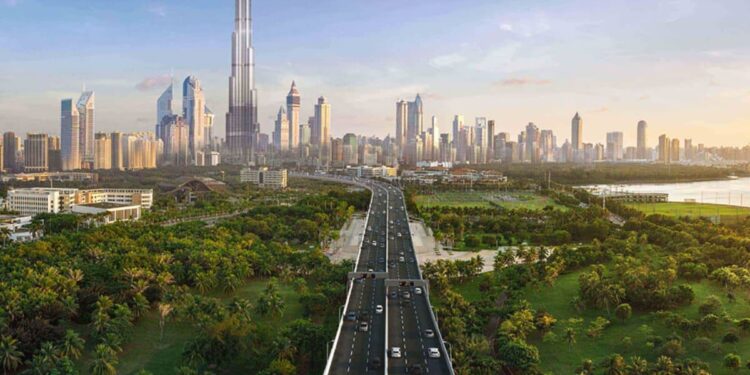
This article provides a clear and structured analysis of the plan’s core framework, five key development hubs, strategic initiatives, and its impact on investors, entrepreneurs, and residents, offering insight into how Dubai is evolving into a global benchmark for livability.
1. What Is the Dubai 2040 Urban Master Plan?
The Dubai 2040 Urban Master Plan is a long-term roadmap designed to meet the city’s rapid urbanization and sustainability needs, spanning from 2020 to 2040. Led by the Dubai Municipality, the plan integrates cross-departmental resources to optimize urban space, enhance convenience, and strengthen global competitiveness.
Given the region’s unique desert climate and strategic geography, the plan promotes a “high-density, low-carbon footprint” urban model. Through digital innovation and green infrastructure, Dubai aims to become a resilient, inclusive, and sustainable metropolis.
Vision: To Become the World’s Most Livable City
According to the latest data, Dubai’s population surpassed 4 million in August 2025, marking a 6.13% increase from the previous year. The plan targets a resident population of 5.8 million by 2040 (within urban areas), and a daytime population (including commuters and visitors) of 7.8 million.
This expansion will drive smarter urban design, ensuring efficient resource allocation and enhanced quality of life for all residents.
2. Core Development Objectives
To achieve its vision, the Dubai 2040 Urban Master Plan establishes eight interconnected objectives covering every aspect of city life—from infrastructure to community well-being:
-
Optimize Land and Infrastructure Utilization:
Prevent urban sprawl through strategic land planning, ensuring 55% of residents live within 800 meters of major public transport hubs. -
Create Vibrant, Healthy Communities:
Encourage mixed-use developments combining residential, commercial, and recreational spaces to foster social interaction and wellness. -
Expand Green and Recreational Spaces:
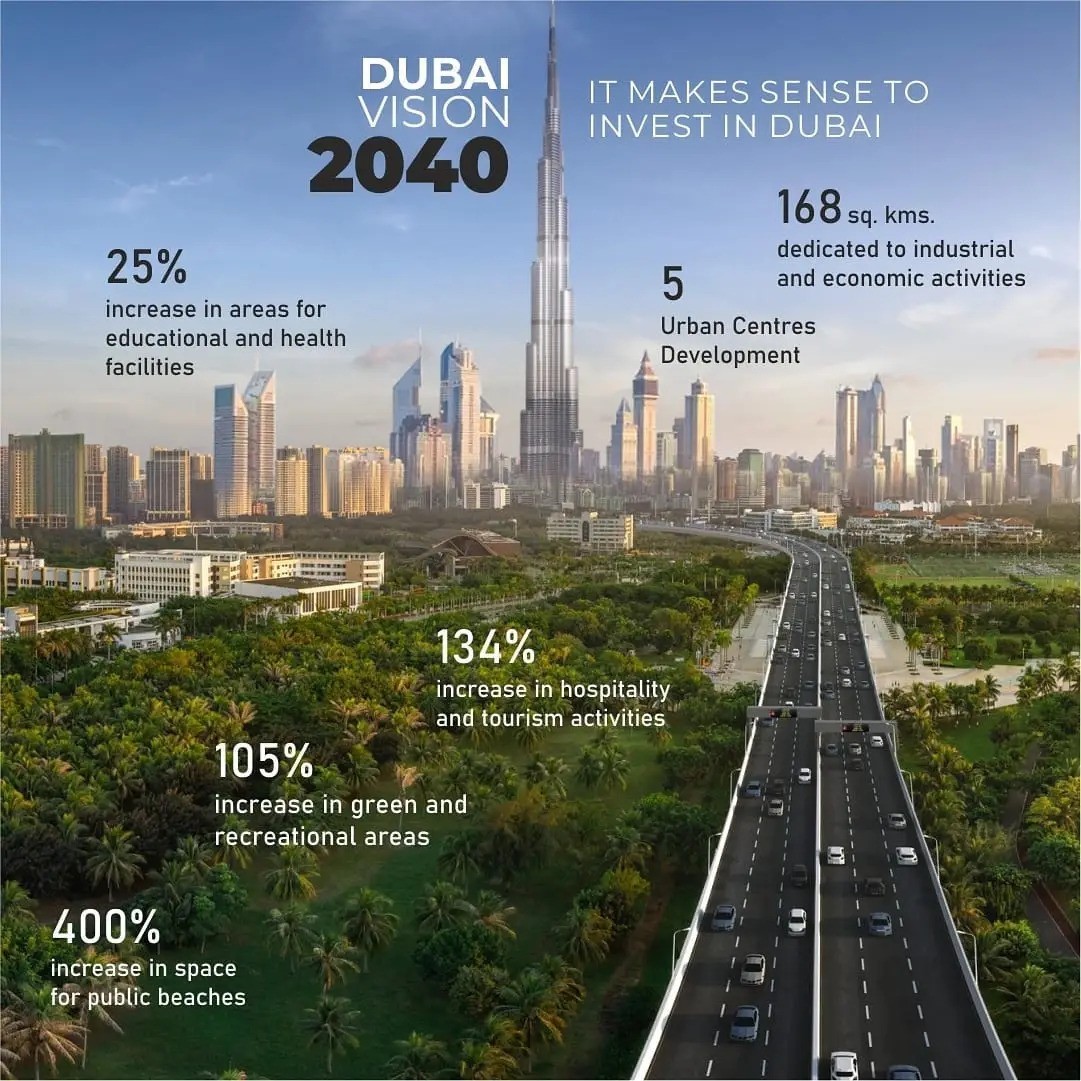
Increase green and leisure areas by 105%, doubling the number of parks, waterfronts, and ecological corridors. -
Develop an Efficient Public Transport Network:
Integrate metro, light rail, and autonomous buses to achieve the “20-Minute City” concept — enabling residents to access essential services within 20 minutes. -
Boost Economic Activity and Innovation:
Allocate 1.7 billion sq. ft. of land for industrial and commercial use, strengthening Dubai’s role as a global trade hub. -
Enhance Environmental Sustainability:
Reserve 60% of Dubai’s total area for nature reserves and rural zones, advancing zero-waste and renewable energy initiatives. -
Preserve Cultural Heritage:
Protect traditional architecture and customs while integrating them into modern urban culture to enhance community identity. -
Establish a Comprehensive Regulatory Framework:
Implement flexible urban governance that supports sustainable growth and ensures compliance with environmental and social standards.
3. Five Key Urban Development Hubs
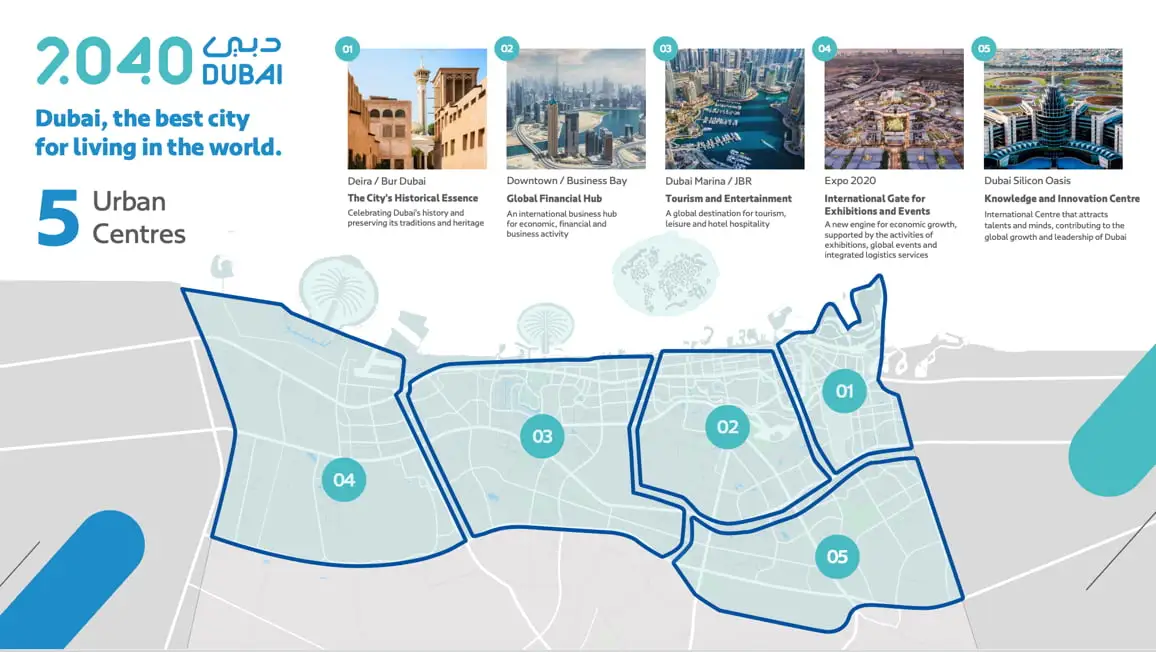
At the heart of the Dubai 2040 Plan are five strategic urban centers, each serving a distinct role in the city’s ecosystem. Together, they balance economic growth, livability, and sustainability.
-
Downtown Dubai & Business Bay:
The financial and administrative core, home to global corporate headquarters and premium residences. It will strengthen its role as a digital finance and MICE (Meetings, Incentives, Conferences, Exhibitions) hub. -
Dubai Marina & JBR (Jumeirah Beach Residence):
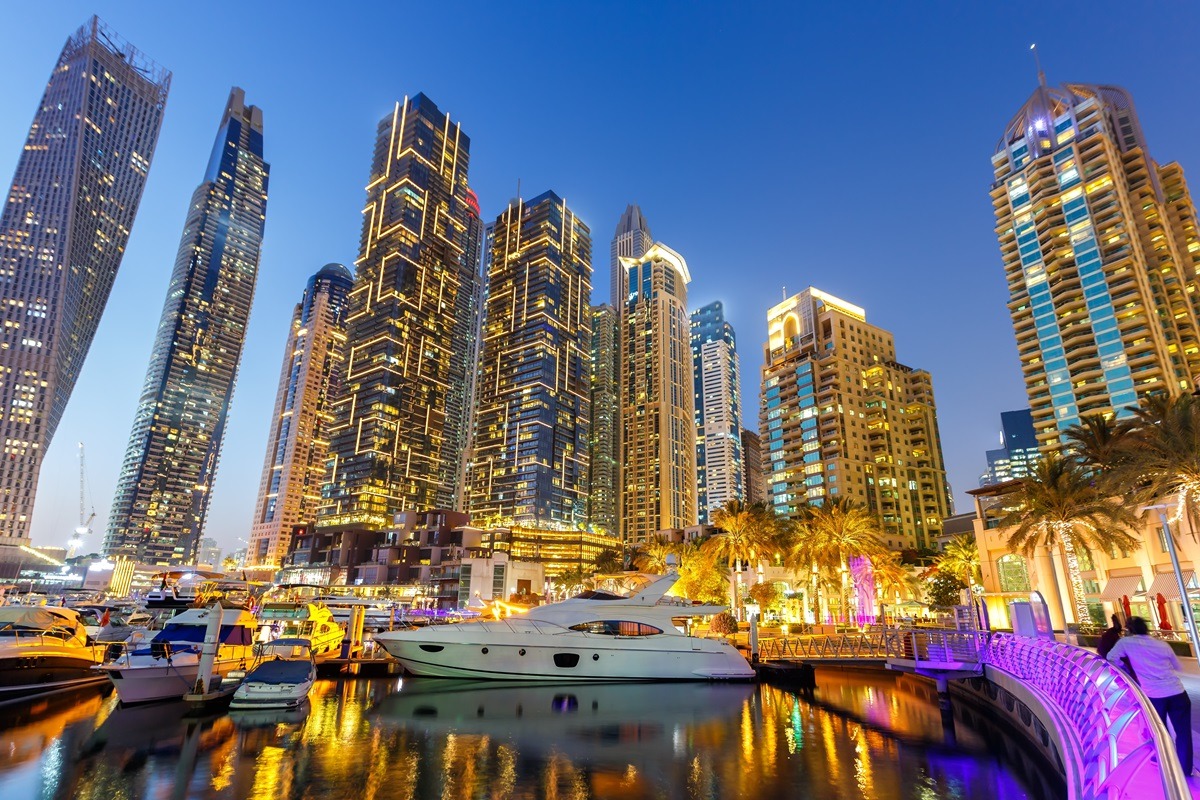
A coastal lifestyle and tourism hub, featuring expanded retail, dining, cultural events, and waterfront leisure zones inspired by Mediterranean living. -
Expo City Dubai:
Evolving into an economic engine focused on logistics, aviation, innovation, and digital transformation — a continuation of the Expo 2020 legacy, often dubbed the “Silicon Valley of the Middle East.” -
Dubai Silicon Oasis:
A technology and education hub, fostering AI, biotech, and green energy innovation with research institutions, universities, and incubators. -
Deira & Bur Dubai (Historic Districts):
Dedicated to heritage preservation, promoting cultural tourism, artisanal markets, and small local businesses celebrating authentic Arabian traditions.
4. Expected Outcomes
The Dubai 2040 Plan is set to deliver tangible and measurable results, representing the city’s commitment to residents’ well-being. According to official forecasts and assessments:
-
Population Growth: From 4 million (2025) to 5.8 million (2040) residents; daytime population from 5 million to 7.8 million.
-
Green Space Expansion: A 105% increase in parks and recreational areas, improving air quality and mental health.
-
Urban Decentralization: Two new major urban centers to reduce congestion and balance growth.
-
Public Beach Expansion: A 400% increase in coastline accessibility, enhancing Dubai’s tourism appeal.
-
Tourism & Hospitality Growth: Hotel and tourism capacity to grow by 134%, boosting GDP and global visitor numbers.
-
Education & Healthcare Upgrades: A 25% increase in facility space for world-class learning and healthcare access.
-
Environmental Protection: 60% of total land preserved as protected and rural natural zones, safeguarding biodiversity.
These outcomes not only enhance daily life but also reinforce Dubai’s position as a model of climate resilience.
5. Investment Opportunities
The Dubai 2040 Plan is more than a government roadmap — it’s a golden guide for investors and businesses, combining policy support, infrastructure investment, and tax incentives.
-
Real Estate Boom:
Surging population growth drives strong demand for residential, office, and commercial spaces. Key areas like Expo City and Business Bay are projected to see property value appreciation of 30%+, ideal for long-term investors. -
Technology & Innovation Clusters:
Massive investments in Silicon Oasis and Expo City will attract tech giants and startups. Opportunities include data centers, AI applications, and green energy solutions. -
Tourism & Hospitality Expansion:
Cultural and tourism policies will fuel hotel, retail, and entertainment development, with 134% sector growth, generating multi-billion-dollar opportunities. -
Tax & Policy Advantages:
Free zones offer 100% foreign ownership, 0% corporate tax, and no capital gains tax, with streamlined visa procedures — highly attractive for global investors. -
Sustainability Funds:
Green building and renewable energy projects offer 15–20% returns, enhanced by carbon credits and government incentives.
Conclusion
The Dubai 2040 Urban Master Plan is not just transforming a city — it’s inviting the world to co-create its prosperity. Whether you’re an investor seeking stable returns or an entrepreneur looking to root your business in a future-driven ecosystem, this blueprint offers immense potential.
Dubai is on track to become not only the shining star of the Middle East, but also a global beacon of sustainable urban living.
The next chapter of this desert miracle has only just begun.