Japan’s Real Estate Market 2024-2025: Trends, Challenges & Opportunities
Japan’s Real Estate Market 2024-2025: Trends, Challenges & Opportunities
Japan’s Real Estate at a Crossroads
The Japanese real estate market continues to defy global uncertainties, offering a mix of stability, opportunity, and evolving challenges. As 2024 advances, Japan remains a prime target for domestic and international investors, bolstered by liquidity, attractive yields, and enduring demand across various asset classes. However, with rising construction costs, evolving workforce dynamics, and a shifting retail and logistics landscape, navigating this market requires strategic insight and adaptability.
- Office Market: Demand Recovery & Strategic Expansion
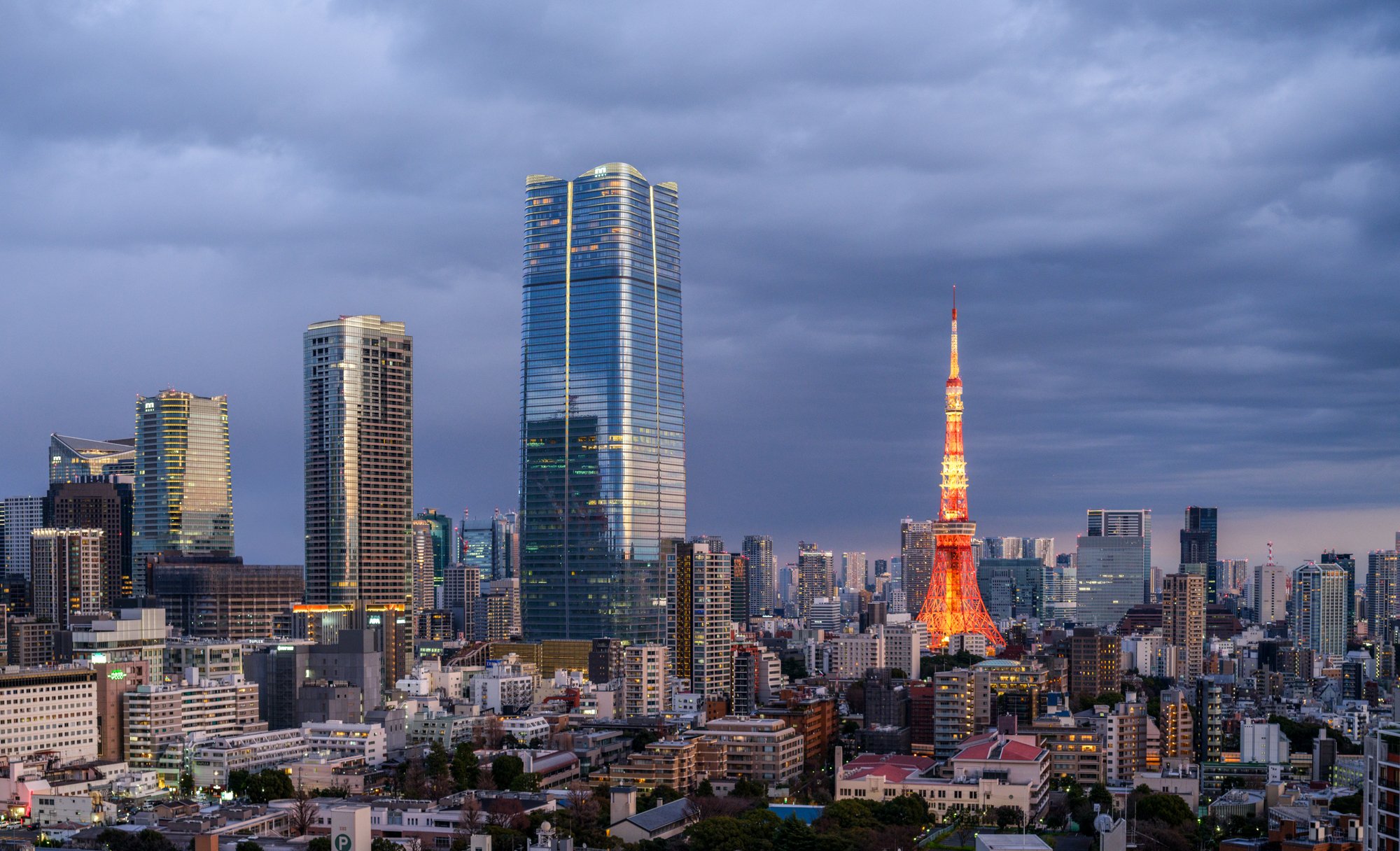
Tokyo’s Office Outlook
In Tokyo’s Grade A office segment—especially in its core five wards—Q3 2024 saw strong signs of recovery, with demand outstripping new supply. The vacancy rate held at approximately 3.4% in prime locations near major transport hubs such as Tokyo and Shinagawa Stations. Rents rose to around ¥32,400 per m²/month, a ~4.9% year-on-year increase.
A key trend is polarization: tenants increasingly favour high-quality buildings with sustainability certifications and smart-technology integration, while older peripheral properties struggle to maintain occupancy.
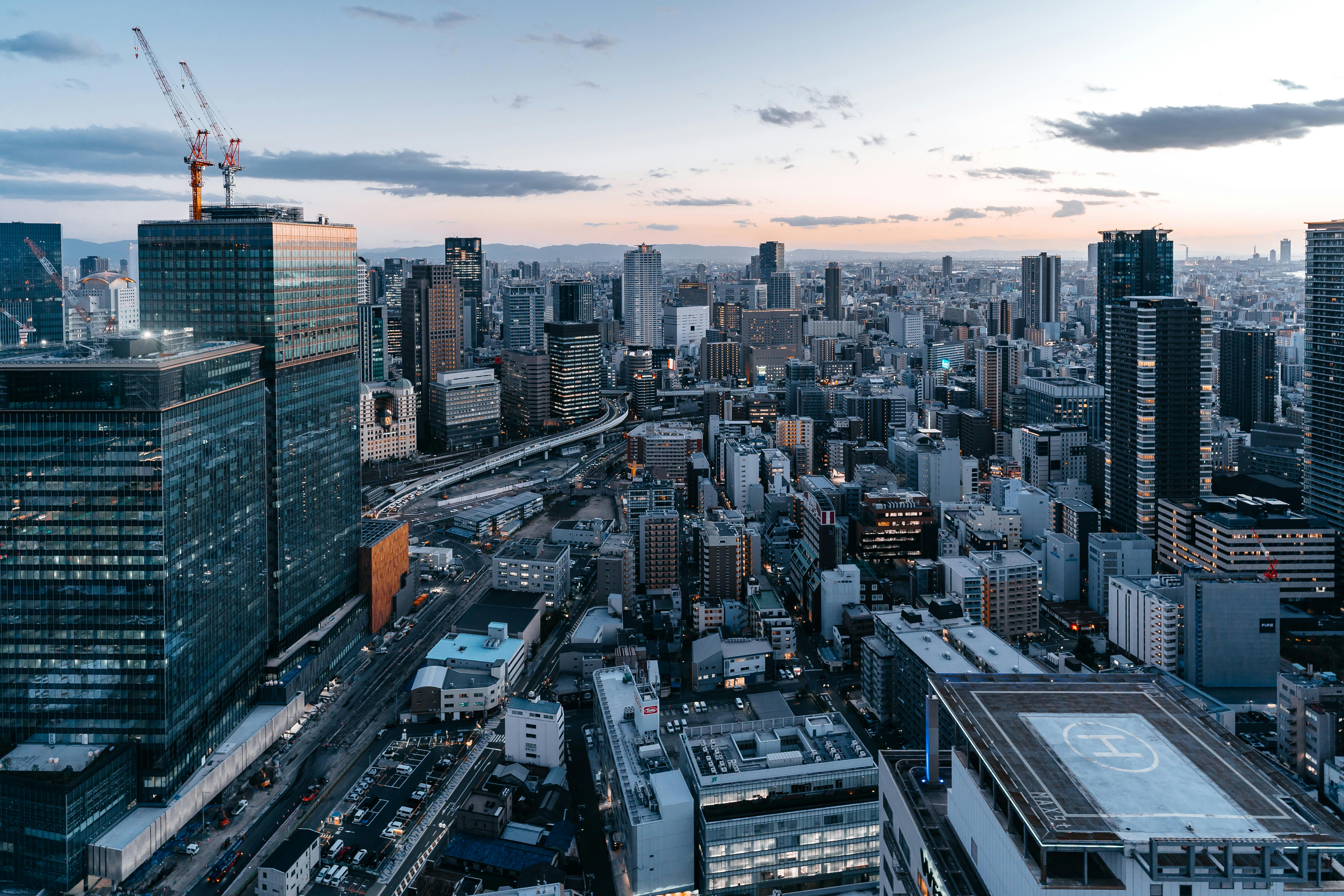
Osaka as a Regional Growth Hub
In Osaka, particularly the Umeda and Namba districts, office demand is steady. Vacancy rates in prime locations hover around ~4.2%, slightly above Tokyo but still robust. Grade A office rents rose by ~3.1% YoY, reaching approximately ¥25,000 per m²/month.
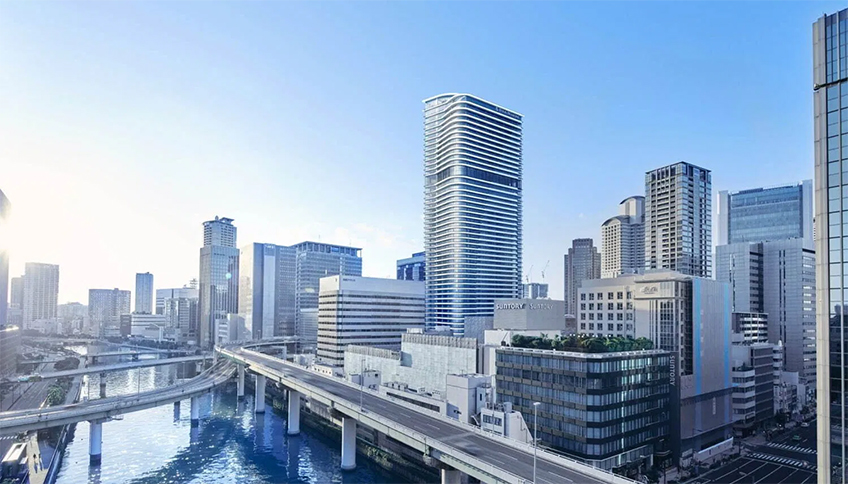
Mixed-use developments are emerging as key trends—integrating offices with retail, hospitality and co-working spaces, in response to hybrid work models and tenant diversification.
- Residential Market: Growth, Demand & Changing Preferences
Foreign investment in Japanese residential assets has risen significantly. In 2024, such investment increased ~18% YoY, reaching about ¥740 billion (~USD 5 billion), driven by demand for multifamily rental properties and co-living spaces. Tokyo and Osaka remain top targets.
Institutions and foreign REITs are showing growing interest in “build-to-rent” (BTR) developments, reflecting a shift toward long-term rental rather than pure ownership models.
- Foreign vs Domestic Capital & Asset Class Flows
- Foreign real-estate investment in Japan (2024): approx. ¥2.3 trillion (USD 15.7 billion) – up ~12% YoY.
- Domestic investment (2024): approx. ¥6.1 trillion (USD 41.7 billion) – broadly stable.
- Industrial/logistics properties account for ~40% of all foreign-real-estate investment, driven by strong e-commerce demand.
- Key Challenges
- Rising construction and operational costs are eroding profitability. The push for sustainability compliance means older buildings require expensive retrofits.
- Remote- and hybrid-working models are reducing demand for conventional office space, especially in older or less optimal buildings.
- Demographic headwinds: population ageing and regional decline mean demand is increasingly concentrated in major urban centres.
- Interest-rate risk: As borrowing costs rise, valuations and investor yields may face headwinds.
- Opportunities Ahead
- Logistics, data-centres and industrial real estate are in strong demand as digital infrastructure and e-commerce expand.
- Mixed-use and redevelopment projects in major urban hubs (office + retail + residential) are gaining traction, offering diversified income streams.
- High-quality rental housing and BTR models present a shift toward steady cash flows rather than speculative capital gains.
- Sustainability and energy-efficient buildings are increasingly valued by tenants and investors, offering differentiation and long-term resilience.
- Conclusion
Japan’s real estate market remains among the world’s most attractive and dynamic, despite headwinds such as rising interest rates, labour shortages, and construction challenges. With continued economic resilience, government-backed incentives, and favourable investor policy frameworks, the market is well-positioned for long-term growth. Those willing to adapt to changing trends—such as hybrid working, rental models, and sustainability—in asset selection and use strategy are likely to uncover strong opportunities across office, residential and logistics sectors.
Balancing foreign and domestic investor interests, while maintaining affordability and diversity of supply, will be key to sustainable growth.