Osaka Real Estate Trends in October 2025: Investment Boom and Challenges Under the Expo Effect
In 2025, Osaka, the core city of Japan's Kansai region, is undergoing a significant transformation in its real estate market. With the Osaka-Kansai Expo (Osaka Expo) officially opening in April, this global event has not only attracted millions of tourists but also driven infrastructure upgrades and land value reassessments. According to the latest data from Japan's Ministry of Land, Infrastructure, Transport and Tourism, land prices in Osaka Prefecture have seen an overall increase, with residential land averaging a 2.1% rise and commercial land surging by 6.7%, far exceeding the national average. This momentum continues into October, with the Expo's lingering effects and transportation developments fueling Osaka's housing market from a "potential stock" to an investment hotspot. However, amid an aging population and global economic uncertainties, the market faces structural challenges. This article analyzes current trends, hot areas, and future outlook to provide references for investors.
Key Trends: Dual Engines of Expo and Infrastructure Driving Growth
Osaka's real estate recovery is first and foremost catalyzed by the Expo. Yumeshima artificial island, the main venue, has seen surrounding land prices rise continuously since 2024, with an expected annual increase exceeding 10% in 2025. The Expo not only stimulates short-term tourism demand but also accelerates the development of IR (Integrated Resort, including Japan's first casino), projected to create tens of thousands of jobs and boost commercial property values. Additionally, expansions in transportation networks, such as the Chuo Shinkansen maglev train and subway extensions, are enhancing Osaka's connectivity, reducing commute times from Umeda to the bay area by over 20%, directly pushing up residential and office rents.
From a data perspective, in the first half of 2025, Osaka's residential contract rate rose to 77.15%, surpassing the 70% stability threshold, indicating steady market demand. Commercial real estate performed even more impressively, with A-grade office vacancy rates dropping below 1% and rents rising 7.6% year-over-year. However, challenges persist: Following the appointment of new female Prime Minister Sanae Takaichi, housing policies may tighten oversight on foreign property purchases, impacting cross-border investment enthusiasm. Overall, Osaka's housing price index in October is up about 5% from the same period last year, though the growth rate has slightly slowed, signaling a shift from "explosive" to "sustainable" market phases.
Hot Area Analysis: Gradient Opportunities from City Center to Bayfront
Osaka's housing market shows clear regional differentiation, allowing investors to choose strategies based on needs.
- Umeda and Nakanoshima (City Center Business Hub): As the economic heart of Kansai, demand for offices and retail properties around Umeda remains robust. Expo-driven business opportunities have pushed rents up over 8%, ideal for institutional investors targeting high returns. Homebuyers favor modern apartments in the Kita Ward, with average prices around 800,000 yen per square meter.
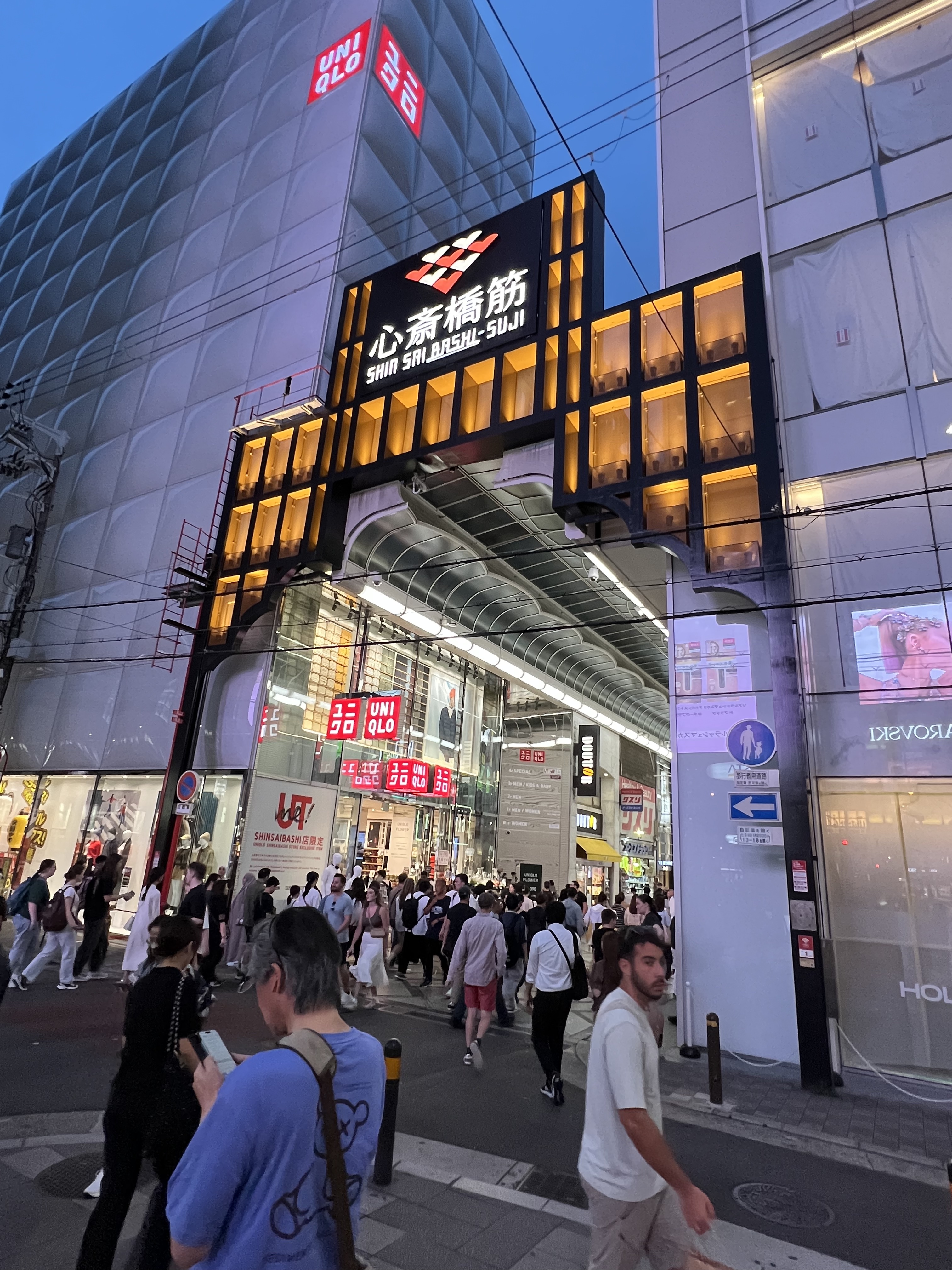
- Shinsaibashi and Tennoji (Tourism and Residential Balance Zone): Shinsaibashi benefits from tourist influxes, with commercial land rising 6.7%, becoming a hotspot for short-term rentals. Tennoji and the Hokubu areas attract family buyers with affordable prices, stable residential growth at 2.3%, and high transportation convenience.
- Bayfront and Yumeshima (Future Development Frontier): Post-Expo, Yumeshima will transform into a smart city, expected to draw foreign capital after IR opens. The latest October report shows land transaction volumes in the area doubling year-over-year, suitable for long-term appreciation investments, but investors should note infrastructure completion timelines (projected for 2026).
Compared to Tokyo, Osaka offers a lower entry barrier: The same budget can secure newer properties in Osaka with similar appreciation potential, attracting more Asian investors.
Future Outlook: Opportunities and Risks Coexist
Looking ahead to the end of 2025 through 2026, Osaka's housing market will continue to benefit from Expo aftershocks and government stimulus policies, such as rental market diversification and asset-value-oriented investments. Younger generations (Gen Z and Millennials) prefer "experiential" lifestyles, boosting demand for shared housing and green buildings. However, potential risks include global interest rate fluctuations and domestic population outflows; investors are advised to diversify across regions and monitor policy changes, such as new foreign buyer regulations following the House of Councillors election.
In summary, Osaka real estate in October 2025 demonstrates resilient appeal, with the Expo effect translating into long-term asset appreciation opportunities. For investors eyeing entry, early positioning in bayfront and city center areas may be key to capturing the "next Tokyo." For more details, refer to the Ministry of Land, Infrastructure, Transport and Tourism's land price announcements or professional agency reports.