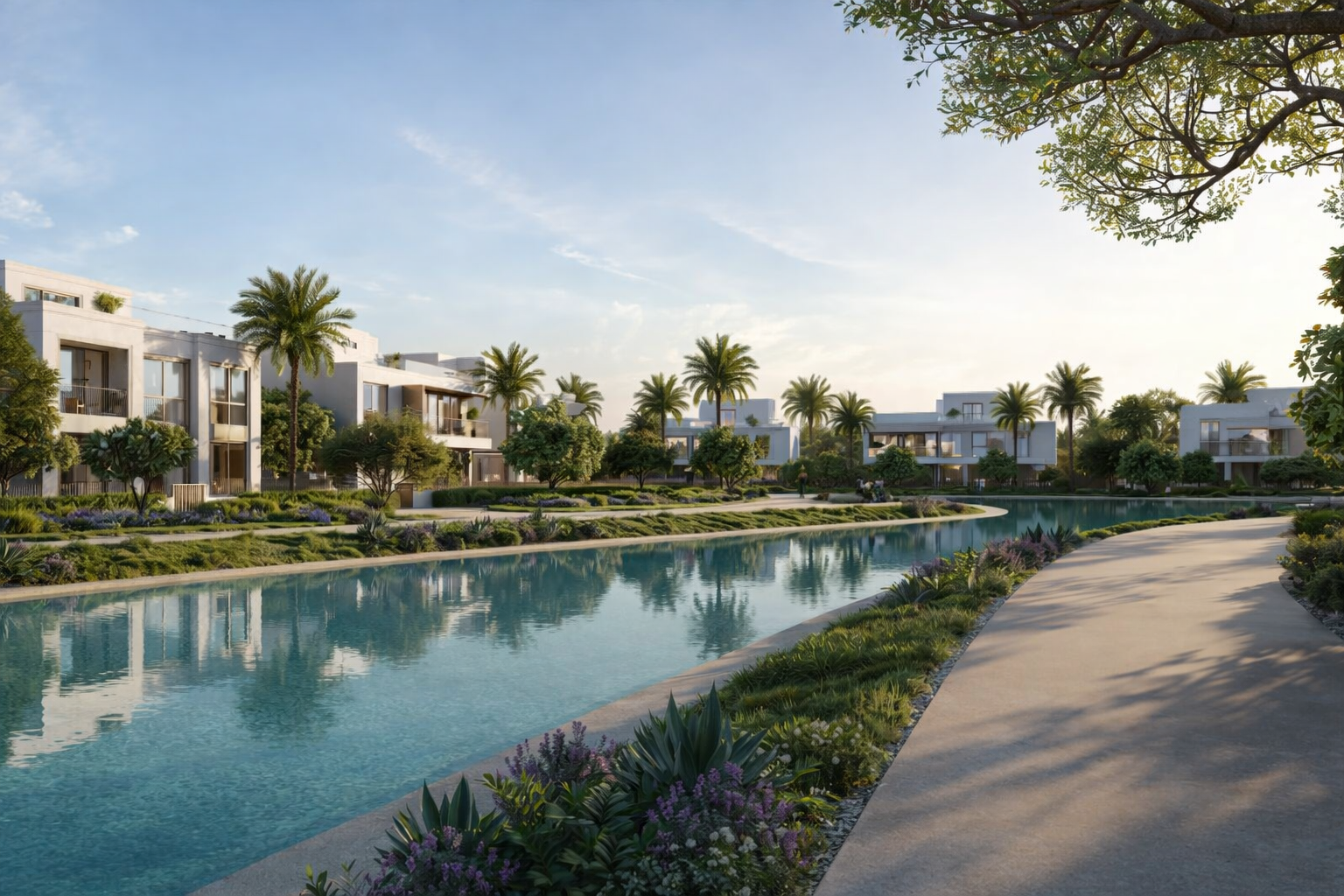
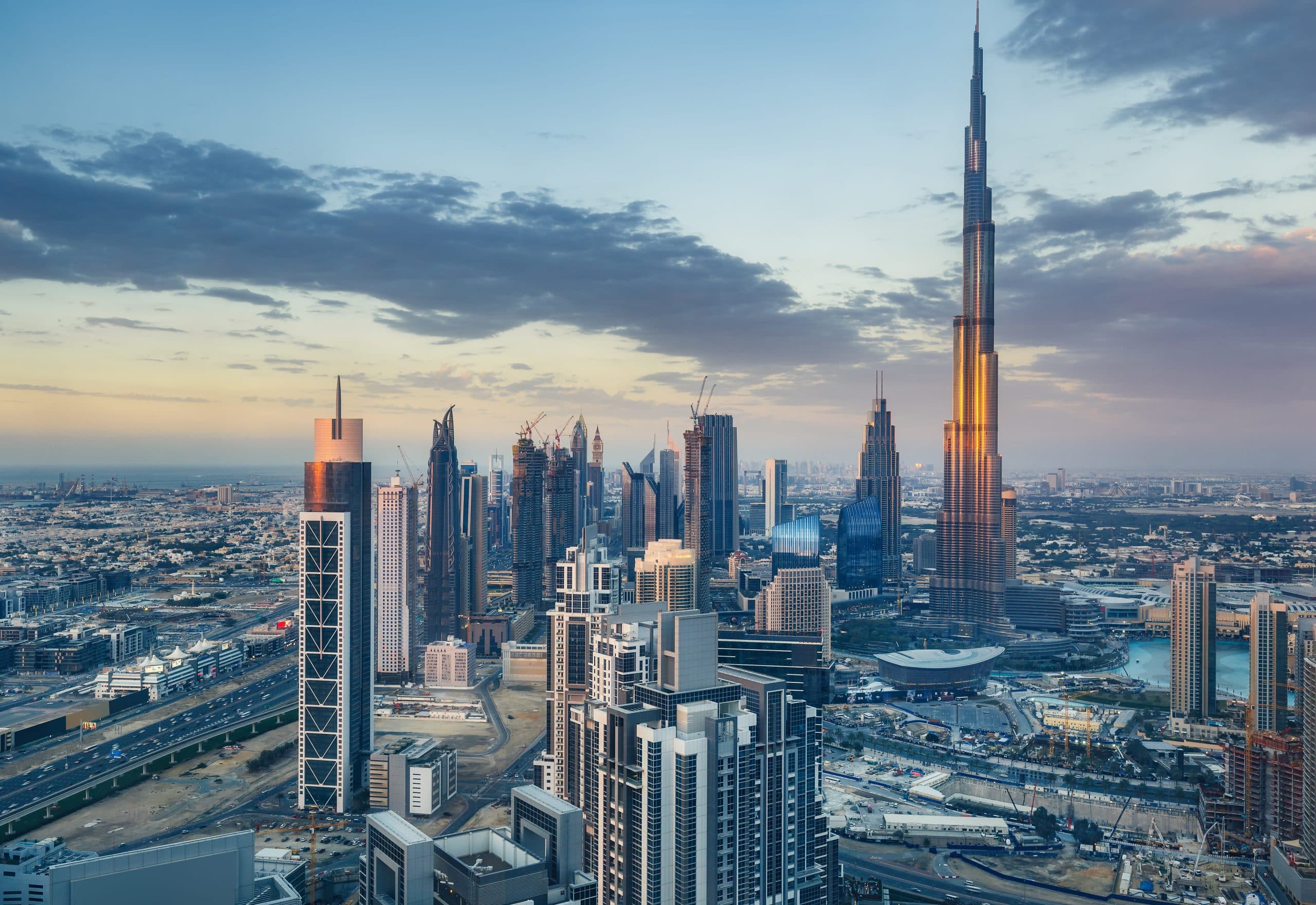
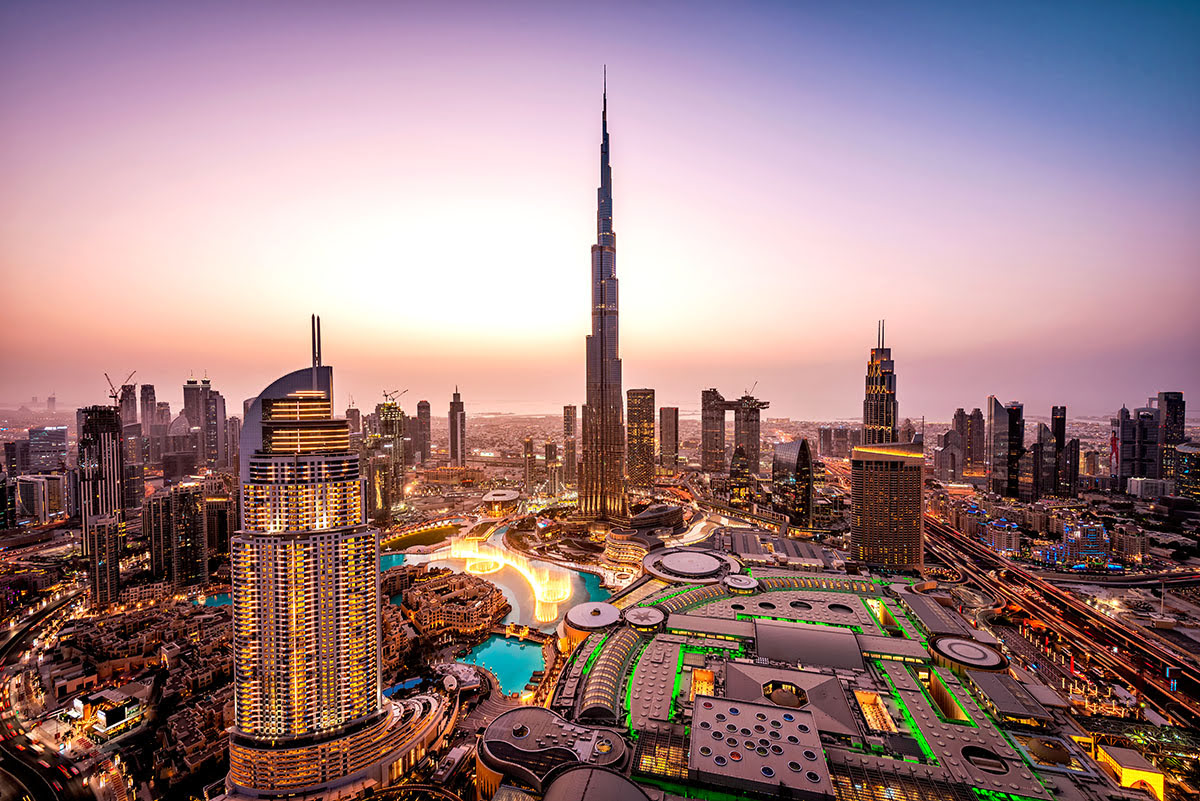
Overview of Dubai’s Real Estate Market from Late 2025 to 2026: From Panic to Rationality

1. Data-Driven Perspective: The Market Has Not Weakened — It Has Transformed
Looking back at 2025, the Dubai real estate market recorded a total transaction volume exceeding 500 billion AED, setting multiple historical records and demonstrating that market demand remains robust. Unlike previous years driven by speculative fervor, the market’s structure is now clearly transitioning toward growth propelled by fundamental factors such as population inflows, employment growth, and capital migration.
Dubai’s resident population has approached nearly four million people, with a notable demographic shift: high-net-worth individuals, business owners, senior professionals, and multinational families continue to move in. This trend has elevated residential demand from short-term investment to long-term living and asset allocation — a crucial factor for understanding the dynamics of the 2026 market.
2. Core Market Characteristics in 2026: Stability Rather Than a Bubble
Contrary to narratives predicting oversupply or market collapse in 2026, actual data and insights from industry participants point to a fundamentally different conclusion.
• Supply vs Delivery Gap
Although a large number of new developments are expected in the next few years, historical experience shows that developers often lag behind their original completion timelines. This creates a noticeable gap between paper supply and actual deliverable inventory. Among the approximately 152,402 residential units launched from 2025 to date, only around 31,437 have been completed — representing a delivery rate of only about 21%.

• Demand Growth Accompanies Population Growth
Unlike past cycles characterized solely by rapid supply growth, current supply increases are occurring alongside strong net population growth and expanding employment opportunities. As of mid-2025, Dubai’s population surpassed 4.0 million — with an annual growth rate estimated at roughly 5.5% for 2026 — far outpacing global averages. This balanced expansion suggests structural market growth rather than unchecked oversupply.

3. A Healthy Dual-Track Residential Market: Apartments and Villas
In 2026, Dubai’s residential sector is exhibiting a clearly differentiated structure:
• Apartment Segment:
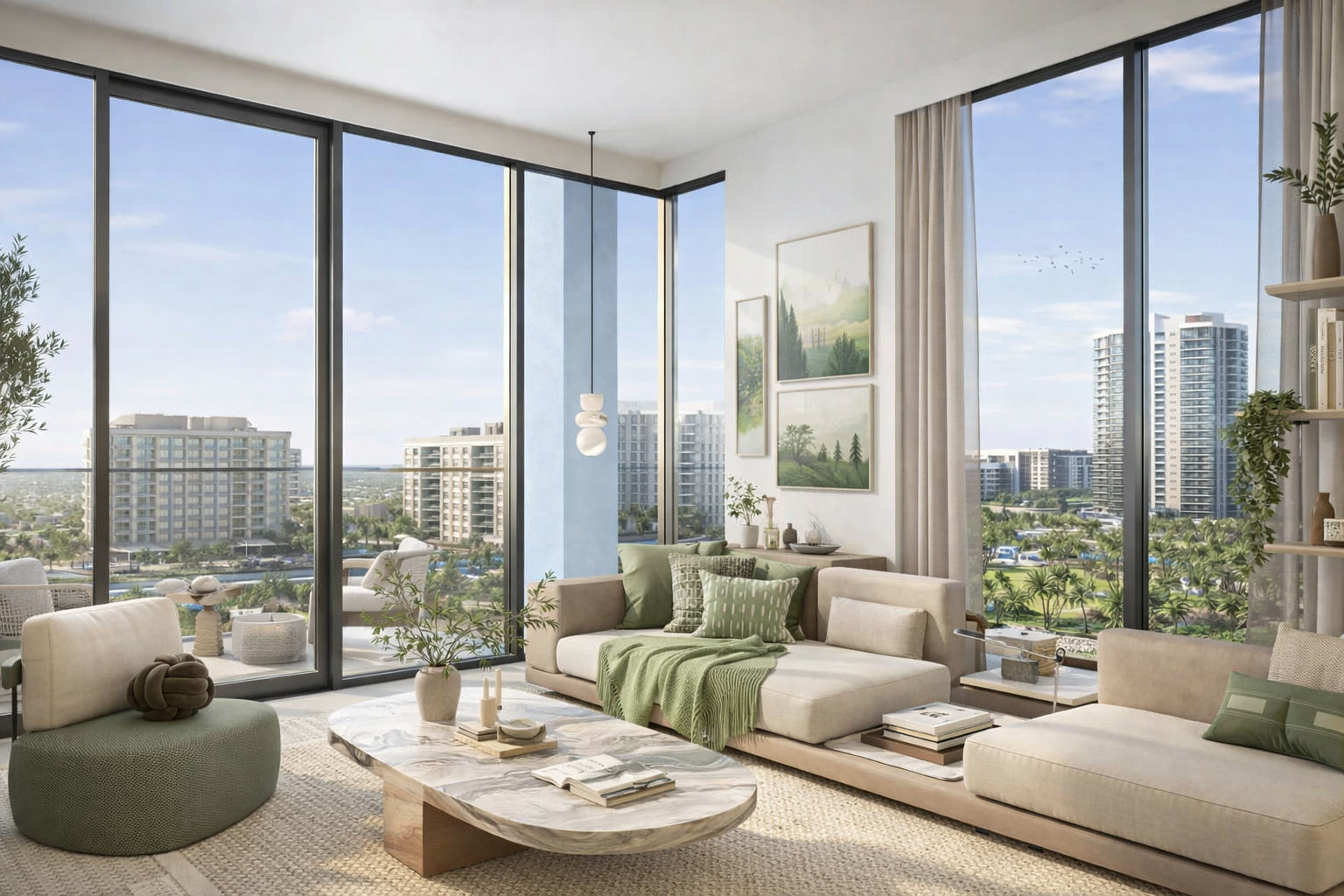
Favored by young professionals, investment-oriented buyers, and expatriate families. Average rental yields range approximately from 5% to 9%, with prime locations delivering even higher returns.
• Villa Segment:
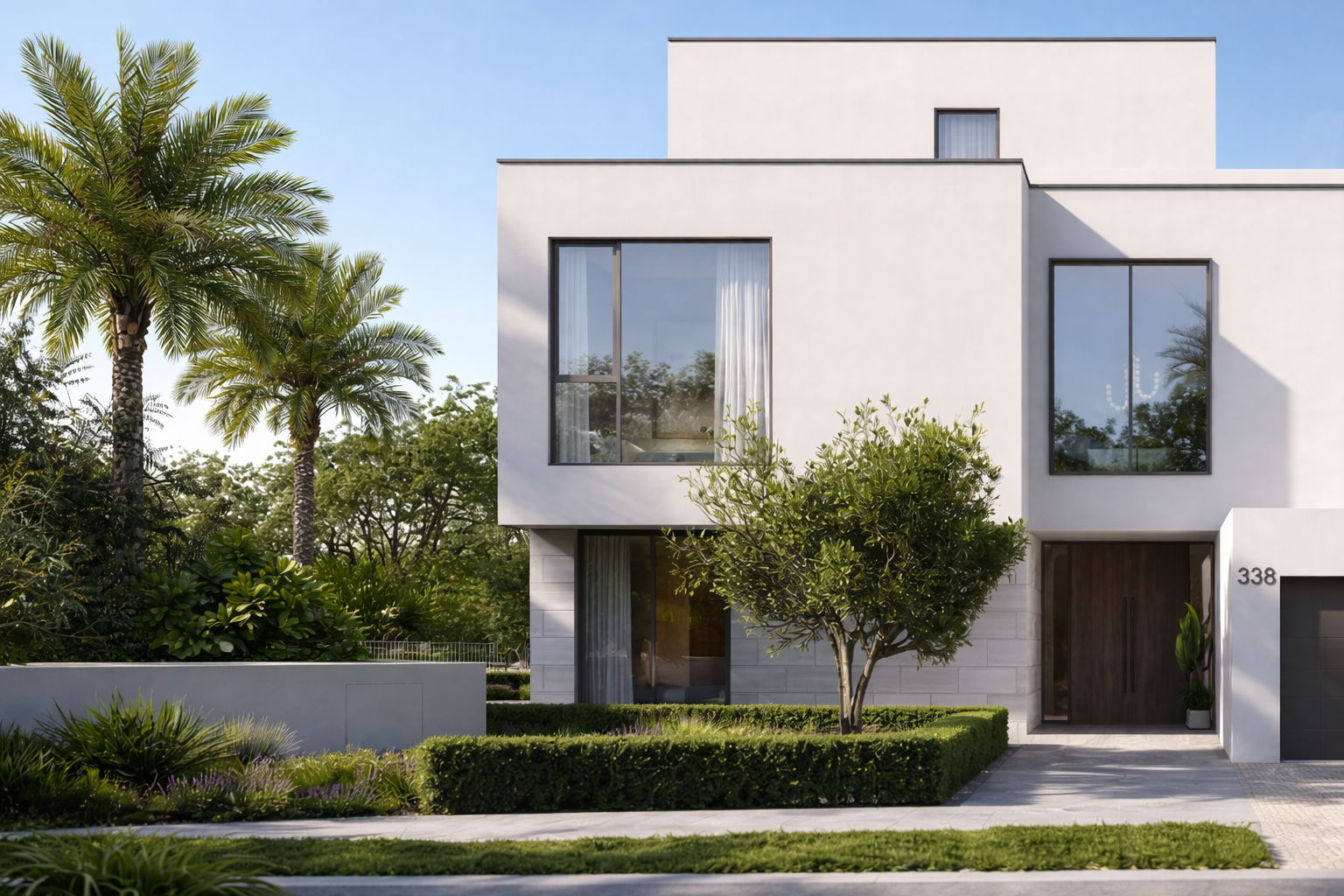
Supported by high-net-worth households and long-term residents. This segment benefits from scarcity and strong price resilience, offering both rental income and capital preservation.
Together, these two segments do not compete but rather complement each other in forming a multi-layered, sustainable residential ecosystem.
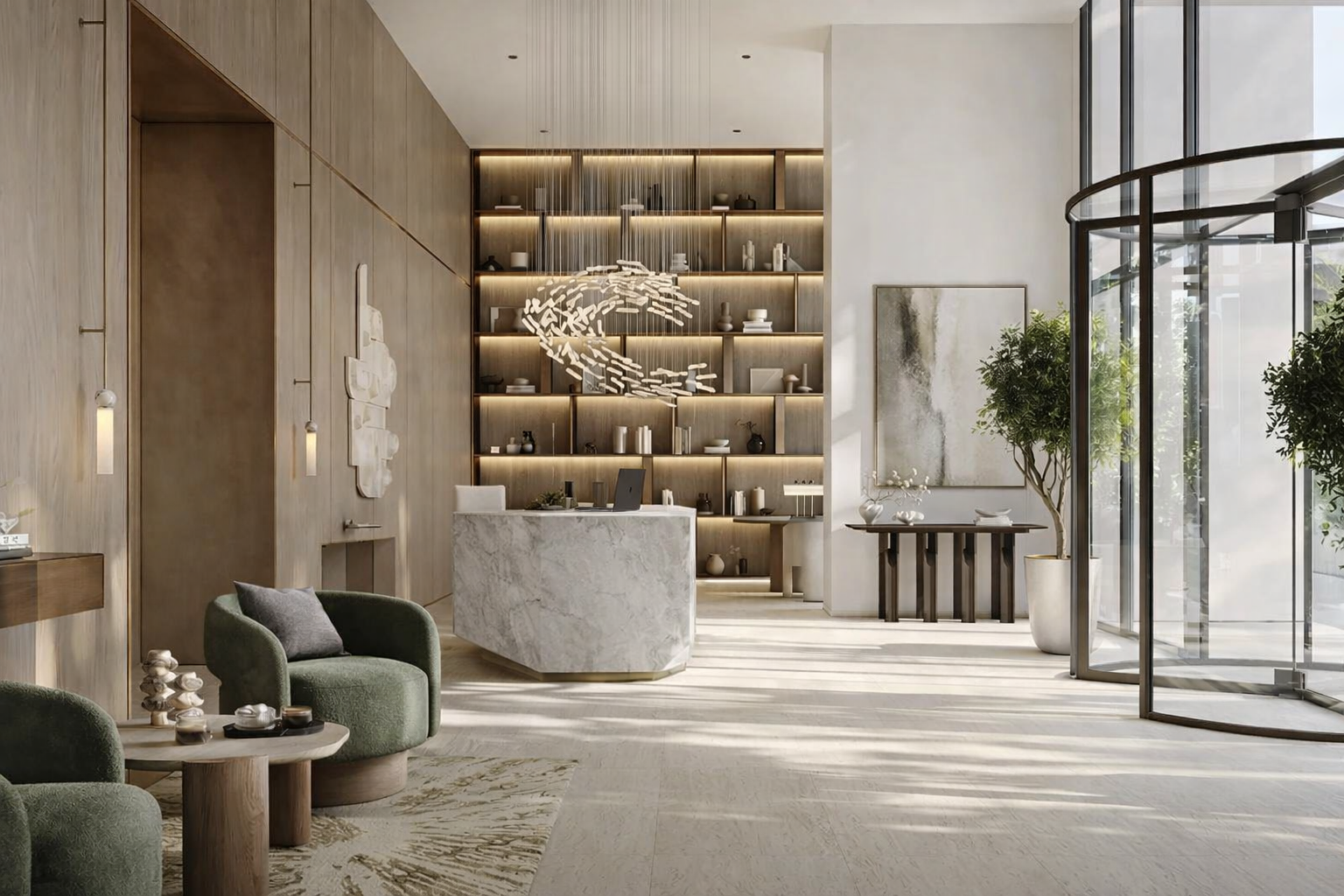
4. Investment Strategy: It’s Not Whether to Buy — It’s What to Buy
While 2026 is not inherently a bad time to invest, risk primarily arises from selecting unsuitable assets.
• Off-Plan (Pre-construction) Properties:
Properties developed by government-linked or top-tier developers with clear positioning and scarcity may offer strong long-term potential.
• Secondary (Ready) Market:
Offers pricing transparency and immediate rental opportunities — suitable for investors seeking stable cash flow.
• Yield-Focused Assets:
Target assets emphasizing rental performance and sustained occupancy.
Avoid products with excessive homogeneity, weak community infrastructure, or those primarily reliant on short-term flipping.
5. Changing Buyer Profile: Long-Term Capital Replacing Short-Term Speculation
International buyers — including investors from India, the United Kingdom, Pakistan, Europe, and the United States — remain major market participants. Policies such as long-term residence incentives (e.g., Golden Visa programs) have increased holding periods and reduced short-term selling pressures. These trends are shaping Dubai’s real estate market into a more mature and less volatile investment environment.
6. Forecast: 2026 Performance Poised to Outperform the Average in Core Communities
The following areas are expected to retain their competitive advantages in 2026, supported by their level of development, infrastructure quality, and depth of market demand:
• Business Bay: A prime commercial hub with strong and sustained rental demand
• Dubai South
• Palm Jumeirah

7. Not a Bubble — But a Rationally Segmented Market
Overall, Dubai’s real estate market in 2026 is not characterized by broad-based surges or collapse. Instead, it is entering a stage of rational segmentation:
-
Overall growth remains steady
-
Supply increases are balanced by demand fundamentals
-
International capital and policy incentives provide long-term support
-
Average products face pressure, while quality assets continue to attract investors
In the face of global uncertainties, Dubai remains a compelling capital preservation destination — not because of speculative momentum, but due to fundamentals and investor confidence in quality assets.